Can a Bottleneck Damage Your PC Hardware? The Full Answer
No a bottleneck cannot damage your CPU, GPU, or any other component. A bottleneck is a performance limitation, not a hardware stress condition. The component being held back simply idles or reduces activity while it waits, which actually results in less heat and less power draw than if it were running at full capacity. No thermal, electrical, or physical harm results from a bottleneck.
What a Bottleneck Actually Does to Your Hardware
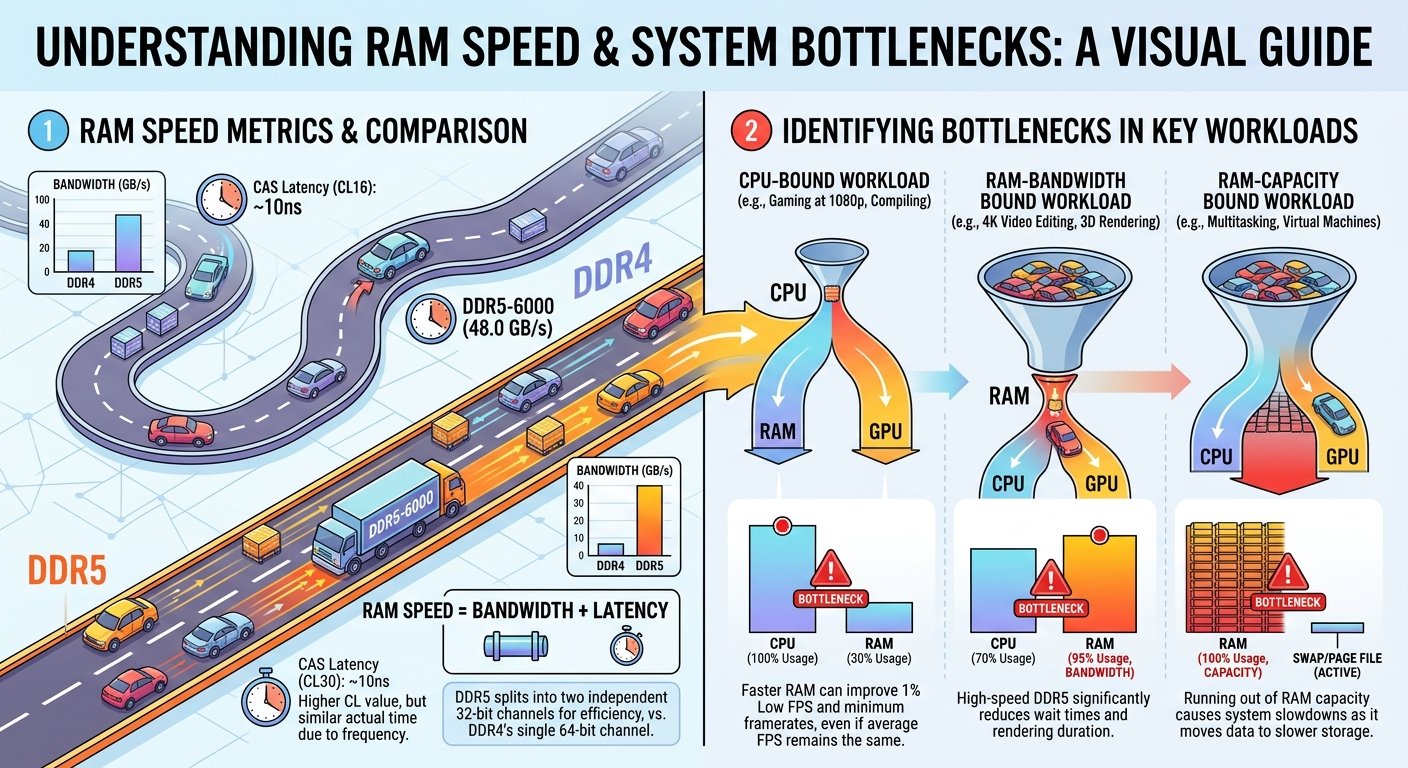
When a bottleneck occurs, the faster component has to wait for the slower one to catch up. The practical effect is:
- The held-back component runs below its maximum capacity, generating less heat and consuming less power than it would under a full load
- The limiting component runs at or near its maximum capacity, which is simply normal operation — it's doing what it was designed to do
Neither situation places hardware outside its designed operating parameters. A bottleneck is not overclocking, not overvolting, and not any kind of stress test. It's a performance efficiency problem, not a hardware stress problem.
Why This Myth Persists
The confusion likely comes from conflating a bottleneck with thermal throttling or overloading, which are genuinely stressful conditions for hardware. But these are separate phenomena:
- Thermal throttling happens when a component gets too hot and reduces its clock speed to avoid damage — this is a response to excessive heat, not a response to a bottleneck.
- Overloading/overvolting can occur when overclocking is pushed too far — this also has nothing to do with a bottleneck.
A bottleneck doesn't cause either of these. It's a mismatch in performance levels between components, and both components continue operating within their normal, designed parameters throughout.
What Can Actually Damage PC Hardware
Since bottlenecks are harmless, it's worth knowing what actually does put hardware at risk:
- Overheating running components above safe thermal limits for extended periods, usually due to blocked airflow, dust buildup, or dried thermal paste
- Aggressive overclocking with unstable voltagepushing voltage beyond safe limits can degrade or damage components over time
- Power surges insufficient surge protection can send damaging voltage spikes through your components
- Electrostatic discharge (ESD)mishandling hardware without proper grounding during installation
- Physical shock dropping or jarring components, especially storage drives and cooling solutions with moving parts
None of these have any connection to a bottleneck.
Does a Bottleneck Shorten Component Lifespan?
No. Component lifespan is primarily affected by heat, voltage, and physical conditions. A bottleneck typically results in the held-back component running cooler and drawing less power than it would under a full, matched workload if anything, this is slightly easier on the hardware, not harder.
The One Thing Worth Watching (Unrelated to the Bottleneck Itself)
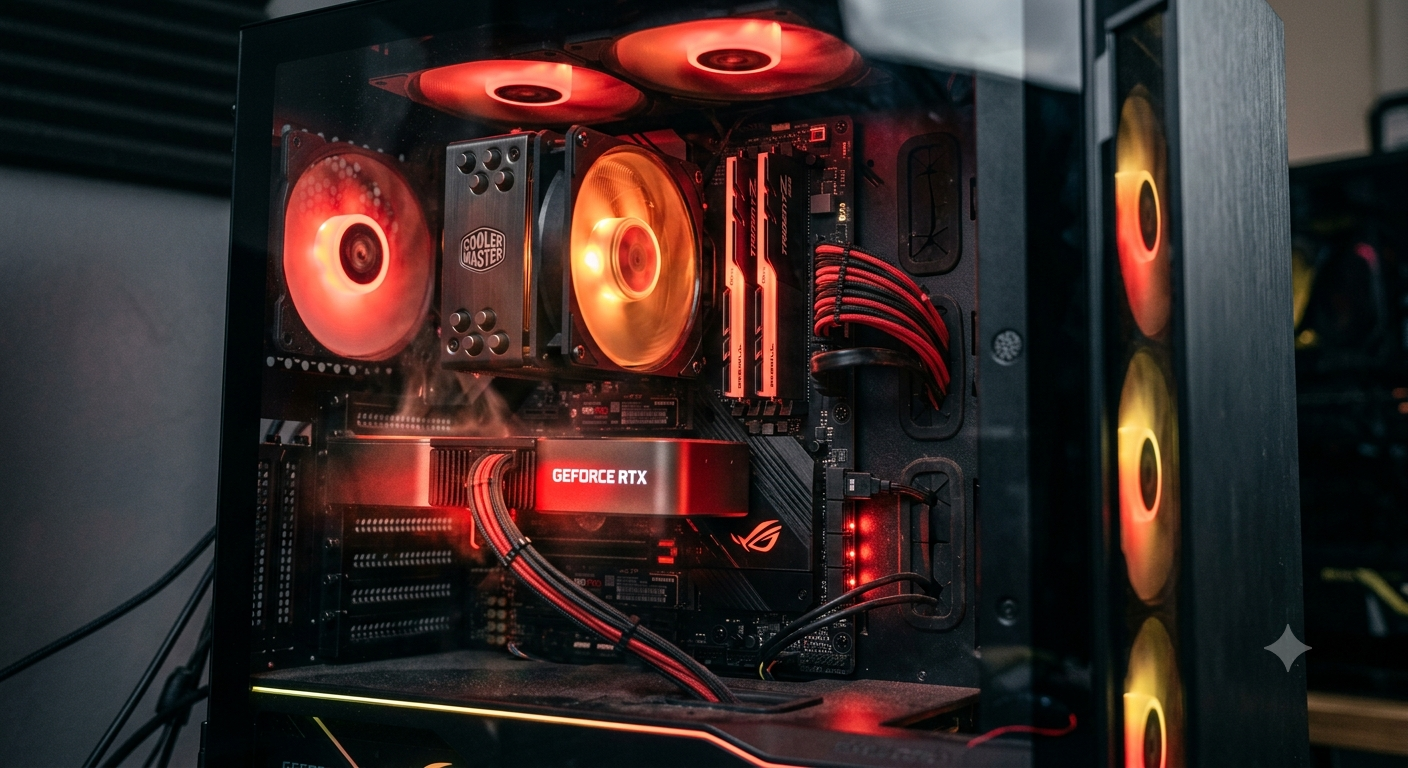
While a bottleneck itself is harmless, some systems with a CPU bottleneck end up with a GPU that runs unusually cool and quiet, while the CPU runs very hot due to being maxed out. It's worth monitoring CPU temperatures in a bottlenecked system not because the bottleneck causes the heat, but because a CPU that's consistently near 100% usage may reveal a cooling issue worth addressing independently.
A quick way to check your CPU/GPU balance and identify which component is running at capacity is to enter your exact hardware into a bottleneck calculator, which tells you which part is being stressed and which one has headroom to spare.
Key Takeaways
- A bottleneck cannot damage your CPU, GPU, or any other component it is a performance limitation, not a hardware stress condition.
- The held-back component actually runs below its capacity during a bottleneck, generating less heat and drawing less power.
- Actual hardware damage risks come from overheating, aggressive overclocking, power surges, and electrostatic discharge none of which are related to a bottleneck.
- A CPU at 100% usage (typical in a CPU bottleneck) produces normal operating heat, not abnormal heat though it's worth ensuring your cooling is adequate regardless.
- Use a bottleneck calculator to understand which component is being maxed out and which has spare headroom.